There’s nothing I love more than a really good strength workout. Lifting heavy weights for lots of reps just makes you feel strong and capable. No matter what kind of sport you play or how fit you are right now, building strength is super important for improving how well your body works overall.
When you think about strength training, it’s really simple: it’s just doing exercises to make specific muscles bigger, stronger, and able to last longer. But inside of strength training, there’s a special kind called functional training.
Here’s the simple guide about what is functional strength training, why you should care about it, and how you can start doing it.
In This Blog
What Is Functional Strength Training?
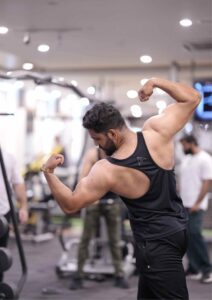
Functional strength training is a type of exercise that focuses on preparing your body for the movements you do every single day, whether it’s for life, sports, or a specific hobby. The main goal is to get better at those real-life movements.
So, what does that actually mean?
Think about the little things you do without thinking: walking up and down stairs, picking up heavy shopping bags, or getting down on the floor to play with a pet or kid. These are all functional movements. If your functional fitness isn’t great, these simple tasks might leave you tired quickly.
Functional vs. Regular Strength Training: What’s the Difference?
Functional strength training uses moves that copy what you do in real life (like a basic bodyweight squat). While I love a challenging, intense lift, thankfully we don’t need to do something like a ‘devil’s press’ every day!
There is definitely some overlap between functional training and regular strength training. Functional training will make you stronger because it challenges your muscles. And regular strength training will help your daily life because being stronger overall benefits everything you do.
The key difference is this:
- Regular Strength Training focuses on working out one single muscle at a time. This includes moves like:
- Shoulder presses
- Bicep curls
- Glute bridges
- Functional Strength Training uses moves that work lots of muscles together in a way that feels natural. If you are wondering what is considered functional strength training? This includes exercises like:
- Push-ups
- Jump squats
- Walking lunges
- Single-leg deadlifts
If you’ve ever taken a strength class with Ginnastic, you probably did a mix of both types. When you combine them, you get a really balanced and effective workout.
Why Functional Training Is So Good For You
Functional strength training has some clear advantages. First, it makes those daily chores and tasks much easier. Nobody wants to hurt their back just lugging in the groceries! It helps protect your muscles and builds practical strength.
Here are a few other great things it does:
Better Stability and a Stronger Middle (Core)
You use your core for just about everything. If you don’t actively keep your core tight, you’re actually risking an injury, according to experts. Functional exercises (like planks) teach you how to switch on those core muscles naturally. This gives you better posture and stability.
Improved Balance and Coordination
If you feel clumsy, trip easily, or just feel wobbly, you might think you’re just a klutz. Chances are, you just need to work on those balance-boosting muscles! Dynamic movements (like lunges) help stretch and tighten your muscles smoothly. Over time, this makes you much steadier in everyday life and in sports. Research shows that better balance is directly linked to better movement skills like walking, running, and jumping.
Helps Prevent Injuries
Functional training corrects any unevenness in your muscles and makes your joints more stable. This lowers your chance of getting hurt during daily activities or while playing sports. For example, runners and cyclists should use it not just to perform better, but to stay healthy in their sport. Squats give you leg power, and planks stabilize your middle to help your running stride and cycling posture.
Fires Up Your Glutes and Hips
Many functional moves really work your glutes and hips. This is vital for runners and cyclists, especially when you need to sprint or go up a hill—strong hips give you that extra burst of power.
You Become More Flexible and Mobile
Functional training involves a lot of moving stretches (like walking lunges). These focus on mobility, giving you more flexibility and a wider range of motion in your joints. This also lowers the risk of injuries that come from doing the same thing over and over. As you get older, functional training is an excellent way to keep your joints healthy and keep you active.
Burns More Calories
Because functional exercises are dynamic (they keep you moving), you tend to burn more calories than with exercises that isolate just one muscle. That’s because you get your heart rate up while working against resistance, and you’re working many muscles at the same time, which uses more energy.
It Saves You Time
If you’ve ever done a quick 15- or 20-minute class with Ginnastic Arena, you know you can get a lot done quickly. Functional training is great for fast workouts because it often uses compound moves, meaning one exercise works many different muscle groups all at once.
Simple Functional Moves to Try
You’ll likely find that your current strength workouts already include a mix of regular and functional moves. That’s perfect! You’re both building targeted strength and improving your overall daily ability.
If you want to try more functional training, here are some simple exercises to get you started:
1. Squats
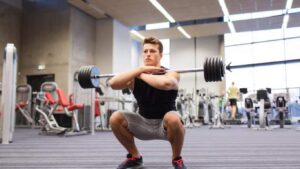
- Stand with your feet about hip-width apart.
- Keep your core tight and slowly lower down, like you’re sitting into a chair. Make sure your knees stay lined up over your feet.
- Hold for a few seconds, then slowly stand back up.
- To make it harder: Squat down, then immediately explode up into a jump, landing softly and going right back into the squat.
2. Reverse Lunges
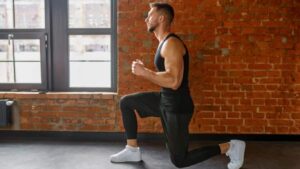
- Start standing with your feet shoulder-width apart.
- Step back with your left foot, bending both knees until your back knee is close to the floor. Your front leg should form a 90-degree angle.
- Push off your front foot to stand back up.
- Switch legs and repeat.
3. Single-Leg Deadlifts
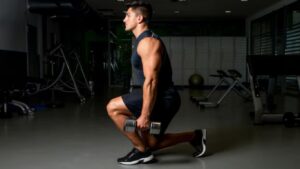
- Start standing. (You can hold dumbbells if you like, but start with just your body weight!)
- Shift your weight onto your right foot. As you lean forward, let your left leg extend straight behind you.
- Keep your right leg slightly bent. Lower your arms until you feel a pull in your right hamstring.
- Squeeze your butt and core to slowly lift back up to standing.
- Repeat on the same side, then switch legs.
4. Push-ups
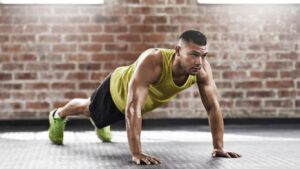
- Get into a high plank position (hands under shoulders).
- Keeping your elbows close to your body, slowly lower your chest toward the mat, or as far as you can.
- Push back up to the starting position. (If this is too hard, start by doing the move from your knees.)
5. Burpees
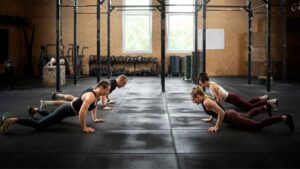
- Start standing, then drop into a squat and place your hands on the floor.
- Jump or step your feet back into a plank position.
- Do one push-up.
- Jump your feet forward to outside your hands.
- Jump straight up into the air, reaching your arms up, and land back in your starting squat.
Adding Functional Training to Your Routine
No matter where you are on your fitness journey, try to include functional strength training into your workouts two or three times a week. It doesn’t have to replace your regular strength training, it makes it better!
Regular strength training builds maximum strength in specific muscles, but functional training helps you use that strength more effectively in your day-to-day life.
If you’re ready to start, try looking for a full-body strength class with Ginnastic Arena. They will often combine upper and lower body exercises that will get you stronger and improve how you move. Start without weights first, and add them once you feel confident in your form.